

architectural laminated glass
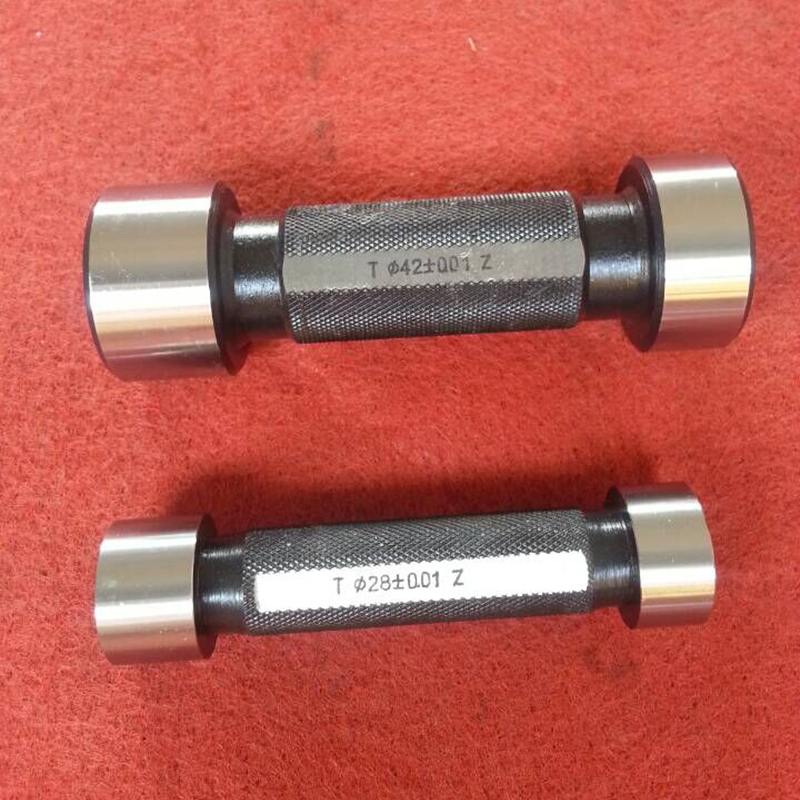
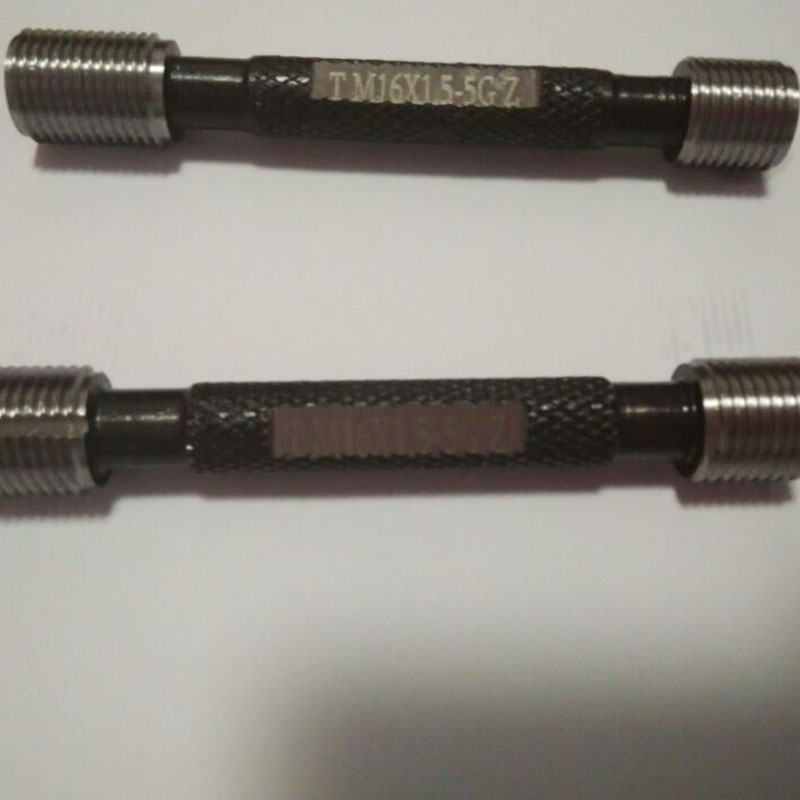
Understanding Threaded Plug Gauges An Essential Tool for Quality Control In the realm of precision engineering and manufacturing, ensuring the integrity and dimensional accuracy of threaded components is paramount. One of the key instruments that plays a critical role in assuring this accuracy is the threaded plug gauge. This tool serves as a simple yet effective means of checking the limits and tolerances of internal threads, making it essential for quality control in various industries. What is a Threaded Plug Gauge? A threaded plug gauge is a calibration tool used to verify the dimensions and functionality of internal threads in machined parts. Typically made from hardened steel, these gauges feature a threaded body that mimics the dimensions of the desired internal thread. They come in two varieties the go gauge, designed to fit into the thread, and the no-go gauge, which should not fit. The primary function of threaded plug gauges is to confirm whether the internal threads of a component meet specific standards and tolerances, ensuring that parts will properly connect and function together as intended. By using these gauges, manufacturers can prevent issues related to fitting and performance that could arise from improperly machined threads. Applications of Threaded Plug Gauges Threaded plug gauges are used across a wide range of industries, from aerospace and automotive to electronics and general manufacturing. Their applications include 1. Quality Assurance in Manufacturing In any manufacturing setup where threaded components are produced, threaded plug gauges are essential for quality control processes. They help in detecting faults that could lead to assembly failures or malfunctions. 2. Maintenance and Repair In maintenance settings, technicians use threaded plug gauges to inspect the condition of existing threaded holes before repairs or replacements are made, ensuring compatibility of new parts . 3. Calibration of Machines and Tools Manufacturers often use these gauges to calibrate machinery that produces threaded components. Consistent use ensures that the equipment is functioning properly and maintaining desired tolerances. How to Use a Threaded Plug Gauge Using a threaded plug gauge requires careful attention to detail and adherence to standardized procedures. The process typically involves the following steps threaded plug gauge 1. Identify the Gauge Determine the correct gauge size based on the specifications for the threaded hole being inspected. 2. Clean the Threads Ensure the internal threads of the component are clean and free from debris, as contaminants can affect the gauge’s accuracy. 3. Insert the Go Gauge Attempt to insert the go gauge into the threaded hole. If it fits smoothly without excessive force, the threads are within the acceptable tolerance range. 4. Insert the No-Go Gauge Next, attempt to insert the no-go gauge. If the no-go gauge does not fit, it confirms that the threaded hole is too large or poorly formed, indicating a potential quality issue. 5. Document the Results Record findings for quality control purposes, ensuring traceability in production or maintenance records. Benefits of Using Threaded Plug Gauges The significance of threaded plug gauges goes beyond just checking tolerances. Their benefits include - Cost-Effectiveness By helping to identify and rectify issues early in the manufacturing process, threaded plug gauges can save companies significant costs associated with rework and scrap material. - Improved Compliance They aid in ensuring compliance with industry standards and regulations, helping manufacturers to maintain their certifications and uphold product quality. - Enhanced Reliability Regular use of threaded plug gauges contributes to the overall reliability of products, leading to increased customer satisfaction and reduced warranty claims. Conclusion Threaded plug gauges are indispensable in the toolkit of quality assurance professionals and engineers alike. By ensuring that threaded parts meet strict tolerances, they play a vital role in the manufacturing process, preventing potential failures in components and assemblies. As industries continue to evolve, the importance of precision tools such as threaded plug gauges will remain at the forefront, reinforcing the foundational principles of quality and reliability essential for today’s competitive market. Whether in a bustling factory or a quiet workshop, threaded plug gauges continue to uphold the standards of precision engineering, ensuring that every threaded connection can be trusted to perform.
about
architectural laminated glass
Understanding Dial Snap Gauges Precision in Measurement Dial snap gauges are essential tools used in various industries for measuring the thickness, diameter, or other dimensions of a workpiece. Their simplicity and precision make them invaluable in quality control and manufacturing processes. In this article, we will explore the features, applications, and advantages of dial snap gauges, highlighting why they are a preferred choice for many professionals. What is a Dial Snap Gauge? A dial snap gauge consists of a measuring head with a dial indicator attached. The measuring head typically features two parallel surfaces that are used to make contact with the workpiece. The dial indicator displays the measurement, allowing users to read values with high accuracy. These gauges can measure both internal and external dimensions, making them versatile tools in machining and assembly. Key Features of Dial Snap Gauges 1. Ease of Use Dial snap gauges are designed for quick and easy measurements. Users can simply align the gauge with the workpiece, apply gentle pressure, and read the measurement from the dial. This efficiency is crucial in high-paced manufacturing environments. 2. High Precision One of the standout features of dial snap gauges is their accuracy. They can provide measurements to the nearest thousandth of an inch or hundredth of a millimeter, depending on the design. This level of precision is essential in industries where even minor deviations can have significant consequences. 3. Durability Made from high-quality materials, dial snap gauges are built to withstand the rigors of industrial use. Their robust construction ensures longevity and reliability, making them a smart investment for businesses. 4. Variety of Sizes and Types Dial snap gauges come in various sizes and styles to accommodate different measurement needs . Whether measuring small components in electronics or large parts in automotive manufacturing, there is a dial snap gauge suitable for the task. dial snap gauge Applications of Dial Snap Gauges Dial snap gauges are versatile tools used across numerous industries. Some of the primary applications include - Manufacturing Used extensively in machining operations to ensure parts are manufactured to specified tolerances. - Quality Control QC departments utilize dial snap gauges to verify the dimensions of finished products, ensuring compliance with industry standards. - Engineering Engineers often use these gauges during prototyping to check the dimensions of components and ensure they function as intended. - Automotive and Aerospace In these industries, where safety and precision are paramount, dial snap gauges play a critical role in component inspections. Advantages Over Other Measurement Tools While there are various measuring instruments available, dial snap gauges offer several advantages - Immediate Readings Unlike digital calipers that require calibration, dial snap gauges provide instantaneous readings, enhancing productivity. - No Batteries Required Unlike electronic measuring tools that depend on battery power, dial snap gauges are purely mechanical. This eliminates concerns about battery life, ensuring reliable performance at all times. - Cost-Effective Dial snap gauges are often more affordable than electronic counterparts while still providing high precision, making them an economical choice for many businesses. Conclusion In summary, dial snap gauges are indispensable tools in the realm of precision measurement. Their ease of use, accuracy, and durability make them suitable for a wide range of applications in manufacturing, engineering, and quality control. As industries continue to evolve and demand higher precision, the role of dial snap gauges will remain vital for ensuring that products meet stringent standards. For anyone involved in machining or quality assurance, investing in a dial snap gauge is a step towards achieving excellence in measurement.
-

High quality industrial productsagement

High quality industrial products
View Details -

Meet the diverse needs of customers

Meet the diverse needs of customers
View Details -

Strict quality control

Strict quality control
View Details -

Top raw materials

Top raw materials
View Details -

Trusted supplier

Trusted supplier
View Details
Our application

news and information

Wrought iron finials
The Timeless Elegance of Wrought Iron Caps An Architectural Delight Wrought iron caps, an integral

Welding and Fabrication Tables Available for Purchase Online
welding fab table for sale .
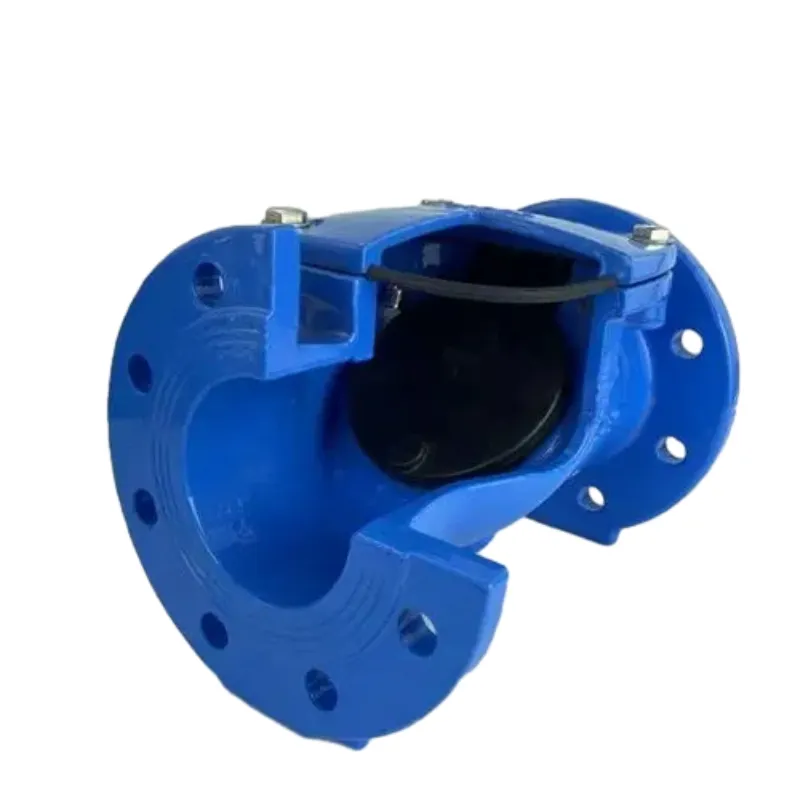
veitsen porttiventtiilityypit
Knife gate -venttiilit ovat erityinen venttiilityyppi, joka on suunniteltu erityisesti kiinteiden ja
 English